
Uncategorized
Dysport vs Botox – A comparison of Botox vs Dysport
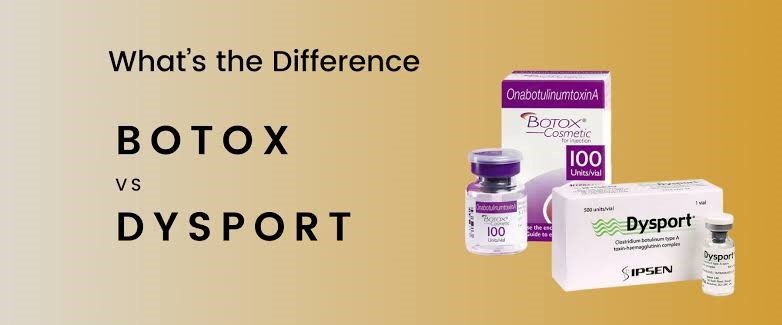
What is Botox?
Botox, scientifically known as onabotulinumtoxinA, has remained a widely recognized injectable treatment in cosmetic medicine for many years. It is FDA-approved for several aesthetic applications, including glabellar lines (the vertical frown lines between the eyebrows), forehead lines, and crow’s feet around the eyes. In addition to its cosmetic uses, Botox has several medical applications, such as managing chronic migraines, excessive underarm sweating (hyperhidrosis), overactive bladder, and certain muscle-related conditions involving spasms or stiffness.
Botox works by temporarily interrupting nerve signals that trigger muscle contractions in the treated area. By reducing targeted muscle activity, it helps soften expression lines and smooth the skin above them. The result can be a more refreshed appearance while preserving natural-looking facial expressions when appropriately administered.
What is Dysport?
Dysport, known by its generic name abobotulinumtoxinA, is another established injectable treatment used to minimize the appearance of facial wrinkles. Like Botox, it is FDA-approved for treating moderate to severe glabellar lines, particularly the vertical creases that develop between the eyebrows. Dysport is also recognized for its relatively quick onset of action in some patients, making it a popular option for people seeking smoother-looking skin.
Dysport targets dynamic wrinkles, which develop through repeated facial movements such as frowning, squinting, and raising the eyebrows. It works by temporarily reducing communication between nerves and the muscles responsible for these movements, helping soften the lines that form over time.
Although Botox and Dysport share a similar mechanism of action, their formulations differ. Dysport may spread more broadly within the treatment area, depending on the injection technique and dosage used. This characteristic can make it a suitable option for certain larger treatment areas, although the best choice depends on individual anatomy, treatment goals, and a qualified medical professional’s assessment.
Difference between Botox and Dysport
While very similar, Dysport and Botox injections do have some distinct differences, including where they are often injected, their level of concentration, and the side effects they can produce.
-
Injection Areas
Although Botox and Dysport have similar uses, they differ in how they spread after injection. Dysport may diffuse more widely, making it suitable for larger areas like the forehead, while Botox can offer more localized treatment. The best option depends on the treatment area, injection technique, and desired results.
-
Dosage
Botox and Dysport units are not interchangeable. Dysport generally requires more units than Botox to achieve a comparable effect. This difference reflects their formulations, not necessarily their effectiveness or cost. A qualified provider determines the appropriate dosage for safe, effective treatment.
-
Onset of Effects
Dysport may begin showing results within two to three days, while Botox often takes several days to become noticeable. Both treatments typically last three to four months, depending on individual factors, muscle activity, and the treated area.
-
Side Effects
Botox and Dysport may cause temporary redness, swelling, bruising, or headaches. Some people also experience temporary eyelid drooping or dry and watery eyes. Most mild reactions resolve on their own, but serious or persistent symptoms require medical attention.
